






Leo Stan Ekeh Urges Disciplined Entrepreneurship

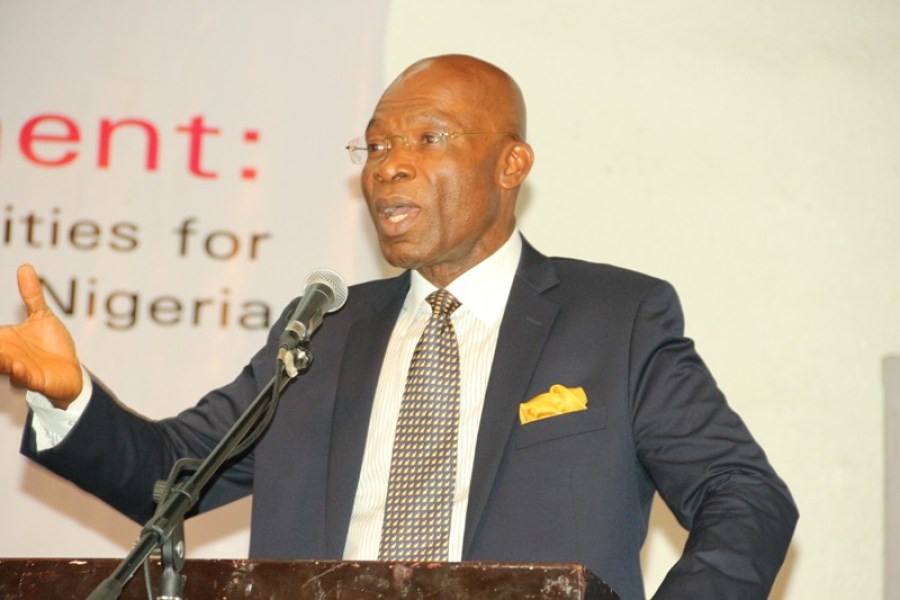
Leo Stan Ekeh urges disciplined entrepreneurship as he calls on young Nigerians to build long-term systems instead of chasing short-term wealth gains
In a clarion call to the next generation of Nigerian business leaders, Leo Stan Ekeh urges disciplined entrepreneurship, stressing that building lasting systems, not chasing short-term wealth, is the key to national development.
Also read: Trendupp Awards 2025: Tunde Onakoya, Bimbo Ademoye, Sabinus, Kie Kie, others nominated for top honours
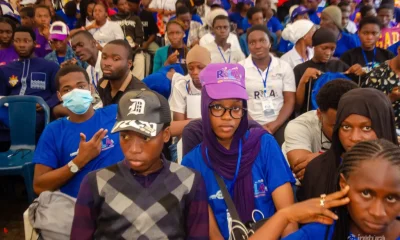
Speaking to a gathering of young entrepreneurs, the Chairman of Zinox Group shared hard-won insights from his journey of establishing one of Africa’s most influential technology conglomerates.
Ekeh, a pioneer of Nigeria’s digital economy, recounted how he turned down lucrative job offers from global tech giants like Apple to return home and build a legacy.
“I founded Zinox to create confidence and faith in our digital economy and to equip the next generation with the capacity to navigate the digital storm ahead,” he said in a statement to The PUNCH.
After postgraduate studies in computer science at Cork City University, Ireland, Ekeh returned to Nigeria with a mission to modernise and localise digital innovation.
His early work revolutionised desktop publishing and computer graphics in the Nigerian media, impacting institutions such as Daily Times, Vanguard, and Longman.
Through partnerships with tech giants like HP, Microsoft, Dell, and Amazon, Ekeh was instrumental in shaping Nigeria’s technology landscape.
He also played a vital role in the country’s democratic process, leading the 2010 digital rollout for the Independent National Electoral Commission — Africa’s largest ICT deployment at the time.
The future belongs to those who prepare for it. Build systems. Build people. And build a country you can be proud of.
Beyond Nigeria, Zinox has executed landmark projects including Gambia’s largest e-library and wireless cloud infrastructure.
In the energy sector, Ekeh’s innovations modernised operations for multinational firms like Shell and Total through digital fuel dispensers and IT systems.
Despite facing blackmail, policy obstacles, and personal loss, Ekeh remains committed to his nation-building vision.
“True patriotism lies in building systems that serve Nigeria’s long-term prosperity, not individual gain,” he stated.
He warned young Nigerians against emulating “respected but corrupt individuals” and urged them to pursue meaningful, ethical entrepreneurship.
Ekeh also unveiled a plan to train 10,000 female tech professionals over five years, with 400 women already graduating in 2025.
“Empowering women in tech is essential to closing the gender gap,” he said.
Ekeh concluded by reminding young entrepreneurs that Nigeria’s digital economy — now contributing nearly 20 per cent to GDP — was built from near nothing in the 1990s.
Also read: Artificial Intelligence and the Nigerian Mind: Are We Asking the Right Questions?
With over 163 million internet users and a thriving fintech ecosystem that processed ₦611 trillion in 2023, the future, he said, belongs to visionaries.