Yoruba home-video industry pioneers receive recognition from Osuofia, who highlights their influence on Nigerian filmmaking and Nollywood’s evolution
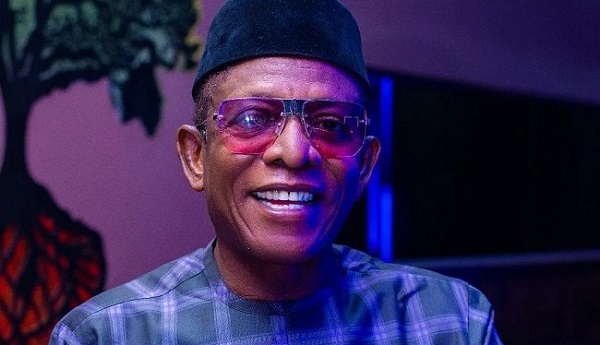
Veteran Nollywood actor Nkem Owoh, popularly known as Osuofia, has credited Yoruba filmmakers with playing a pioneering role in Nigeria’s home-video industry, while clarifying that the Yoruba people did not originate the name Nollywood.
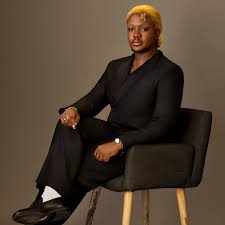
Owoh made the remarks during an appearance on comedian Bae U’s YouTube programme, Curiosity Made Me Ask, where he was asked about his position on the longstanding debate over the contributions of the Yoruba and Igbo communities to the development of Nigerian cinema.
The actor explained that the term Nollywood was not in use when Nigerian filmmakers began producing and distributing home-video movies.
According to him, the name emerged later as industry stakeholders sought to establish a recognisable identity for the growing film industry.
“First of all, you have given me this wrong accusation that I said, Yoruba started Nollywood. No. Yoruba started this film on…when did Nollywood come out? When we started the thing, there was no Nollywood as a name.
We sat together and we’re branding, you know, ideas and all that, how the thing is going to come to fruition. And eventually, we chose Nollywood,” Owoh said.
He maintained that Yoruba filmmakers played an important role in popularising home-video productions, helping to establish a tradition that later became an essential part of Nigeria’s entertainment industry.
“So, Yoruba started the thing. They made the thing very popular home video and all that. Yes, they did. And I’ve said it several. Ogunde and Adebayo Papa. These are the people I love to watch their thing,” he added.
Owoh specifically mentioned veteran filmmaker and theatre pioneer Hubert Ogunde, alongside another Yoruba entertainment figure he referred to as Adebayo, praising their contributions to Nigerian filmmaking.
During the conversation, the interviewer jokingly suggested that Ogunde was Igbo, a suggestion the actor rejected.
“Ogunde is not Igbo. I’m telling you that Yoruba started it. When Ogunde was out, I don’t think there was any Igbo man who was that popular in that,” he said.
However, Owoh subsequently made a distinction between the historical development of Yoruba home-video filmmaking and the emergence of Nollywood as a recognised industry.
“The Yoruba did not start Nollywood. They started Home video,” he clarified.
His comments come amid renewed discussions about the historical contributions of different ethnic groups to Nigeria’s film industry.
The debate gained attention in August 2026 following remarks by late actor Francis Duru, who highlighted the significant role played by the Igbo community in building Nollywood, particularly during the commercial home-video boom of the 1990s and early 2000s.
Historically, Nigerian filmmaking developed through several interconnected traditions, including theatrical performances, television productions and independent film ventures.
Yoruba travelling theatre practitioners were particularly influential in the transition from stage performances to recorded productions. Among the most prominent figures was Hubert Ogunde, whose theatrical and cinematic work helped establish an important foundation for indigenous Nigerian entertainment.
Ogunde’s productions contributed to the development of Yoruba-language filmmaking and demonstrated the commercial and cultural potential of locally produced stories.
The establishment of Western Nigeria Television (WNTV) in Ibadan in 1959 also represented an important milestone in the country’s broadcasting and entertainment history.
As television and film production expanded, different regional filmmaking traditions continued to influence the emerging industry.
The commercial home-video revolution of the 1990s brought another major transformation, with Igbo filmmakers, producers, distributors and entrepreneurs playing a particularly prominent role.
Films such as Living in Bondage, released in 1992, helped demonstrate the commercial potential of direct-to-video Nigerian productions and contributed to the rapid expansion of the market.
The industry subsequently developed into a major entertainment sector, attracting filmmakers, actors, investors and audiences from across Nigeria and beyond.
The name Nollywood gained international recognition following a 2002 article by New York Times journalist Norimitsu Onishi, titled Step Aside, L.A. and Bombay, for Nollywood.
Published on 16 September 2002, the report helped popularise the term as a description of Nigeria’s rapidly expanding film industry.
Although the name came later, the traditions that shaped Nigerian cinema had developed over several decades through the contributions of theatre practitioners, television personalities, independent producers and regional filmmaking communities.
Owoh’s latest comments therefore add another perspective to a debate that is often presented as a competition between ethnic groups.
Rather than attributing the entire development of Nigerian cinema to one community, the industry’s history reflects different contributions at different stages, from Yoruba theatre and early home-video traditions to the commercial expansion driven by Igbo filmmakers and entrepreneurs.
For an industry that has grown into one of Africa’s most influential cultural exports, recognising these contributions offers a more complete understanding of the people and traditions behind its development.