Baba Ijesha prison experience resurfaces as the actor describes life behind bars, claims he was made a scapegoat and shares lessons from incarceration
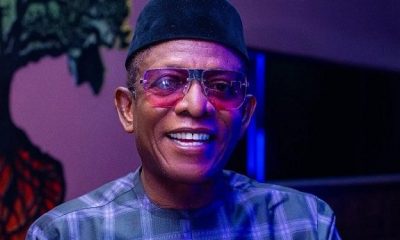
Nollywood actor Olanrewaju Omiyinka, popularly known as Baba Ijesha, has described his prison experience as bitter, claiming that he was made a scapegoat while serving his sentence over sexual offences involving a minor in Lagos State.
The actor made the remarks during an interview with Agbaletu TV, where he reflected on his time in prison, the treatment of inmates and the lessons he believes young Nigerians should learn from his experience.
Speaking about his incarceration, Baba Ijesha suggested that his celebrity status made him a subject of public attention and scrutiny, adding that some people appeared to regard his case as an opportunity to make an example of a public figure.
“Bitter because I was a scapegoat. Do you know, many want people to learn a lesson from celebrities,” he said.
The actor also warned young people against actions that could expose them to criminal prosecution and imprisonment, stressing that decisions made without considering their consequences could have lasting effects on their lives.
According to him, prison life offers a difficult reality that many people outside correctional facilities may not fully understand.
He further alleged that some prison warders treated inmates harshly, suggesting that neither public recognition nor social influence offered meaningful protection behind bars.
Baba Ijesha said he was particularly struck by seeing influential individuals, including former ministers, subjected to the same restrictions and conditions as other inmates.
His reflections also touched on the religious atmosphere within prison facilities, where he described inmates as deeply committed to prayer.
“Do you know that prison is where prayer is answered the most? People are praying in prison,” he said.
He went on to describe what he claimed were extreme spiritual practices among some inmates, including individuals making intense personal appeals to God concerning their innocence or guilt.
The actor also alleged that some sudden deaths were connected to inmates’ prayers and spiritual declarations. However, he offered no evidence to substantiate the claim, which should be understood as his personal assertion rather than an established fact.
His comments have drawn attention to the psychological and spiritual dimensions of incarceration, particularly the ways some inmates turn to religion while facing uncertainty about their future.
Baba Ijesha’s prison reflections come against the background of his highly publicised criminal case, which attracted widespread attention across Nigeria’s entertainment industry and generated considerable public debate.
In July 2022, the Lagos State High Court sentenced the actor to 16 years’ imprisonment after finding him guilty of multiple sexual offences involving a minor.
The case followed allegations of sexual abuse involving a young girl, with the proceedings attracting significant attention because of the seriousness of the offences and the actor’s public profile.
The conviction generated mixed reactions across the entertainment industry and wider society, particularly concerning child protection, accountability and the responsibilities of public figures.
The Lagos State Government subsequently clarified that Baba Ijesha had been released after completing his sentence, not acquitted of the offences for which he was convicted.
The distinction is important because his release did not overturn the court’s judgment or establish that the allegations against him were unfounded.
His latest interview therefore revisits a controversial chapter in his life, offering his personal account of the difficulties he says he encountered during incarceration.
While his comments about prison conditions and the treatment of inmates raise issues that merit broader attention, his description of himself as a scapegoat does not alter the legal outcome of his case.
For young Nigerians, his warning about the consequences of criminal behaviour also comes with a wider reminder about personal responsibility, respect for the law and the importance of protecting vulnerable people.
His account has once again placed the actor in public conversation, with attention divided between his experiences behind bars, the allegations he has made and the legal history that led to his imprisonment.