Toyosi Etim-Effiong says Nollywood actors can boost their earnings through film profit-sharing deals and professional talent management
Nollywood actors could earn significantly more from their work through professionally negotiated film profit-sharing agreements, talent manager and media entrepreneur Toyosi Etim-Effiong has said, urging the industry to develop better structures that allow performers to benefit from the commercial success of their films.
Etim-Effiong, founder and chief executive officer of That Good Media, said actors should not have to depend solely on the fees they receive for appearing in productions.
Through agreements negotiated by experienced talent managers, performers could secure additional payments when films achieve agreed commercial milestones.
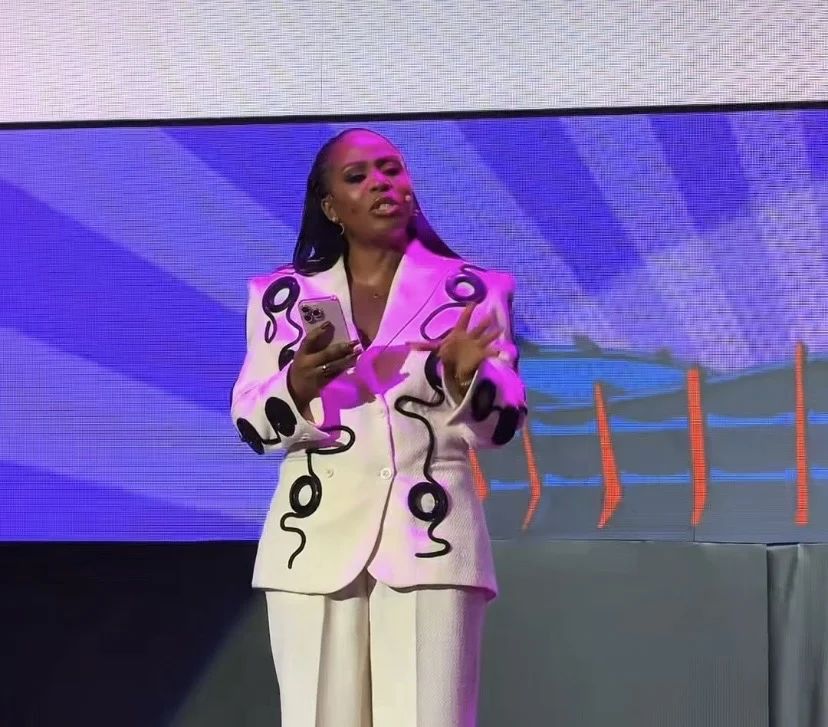
She made the remarks in an interview with PUNCH Online after speaking at the Creative Economy Stage during Moonshot 2026, organised by TechCabal in Lagos on Thursday.
The session, titled ‘Africa’s Creative Economy: The Numbers and the Next Bet’, examined business opportunities and the structures needed to support the continent’s growing creative sector.
Etim-Effiong said some industry professionals were already negotiating such arrangements, but they remained uncommon in Nollywood.
She gave the example of an actor agreeing to receive an additional payment if a film generated more than N1bn in the market.
“It is a proper and a solid manager that will negotiate back-end deals for films, such that, okay, if a film makes over a billion naira in the market, I get X amount extra on top of what I’ve been paid,” she said.
“We don’t quite have all those things. We don’t have those things rampant now. A few people are doing it, but it’s something that we now want to make regular and commonplace for the film industry.”
Such arrangements, commonly known as backend compensation, can give performers a financial stake in a production’s performance beyond their initial remuneration.
However, the additional income depends on the terms of the agreement, including how revenue is calculated, which distribution channels are covered and when payments become due.
For Nollywood, the proposal raises questions about how actors are represented in negotiations and whether industry contracts provide enough clarity on the commercial returns generated by films.
An actor’s upfront fee may be agreed before production, but the value of a successful film can extend beyond its initial cinema release to streaming platforms, television licensing and other distribution arrangements.
Etim-Effiong pointed to Nigeria’s music industry as an example of how improved professional structures could expand the ways creatives earn from their work.
She said the development of royalty arrangements had not happened automatically, but followed efforts by industry professionals to establish more standardised systems.
“The music industry wasn’t always like this. It was people who took it upon themselves to make a proper global standardised industry from this music industry that now got singers to start getting royalties,” she said.
Her comparison highlights a wider challenge facing the creative economy: developing the business and professional infrastructure needed to convert artistic talent into long-term financial opportunities.
According to Etim-Effiong, Nigeria has invested considerable attention in training actors, singers, videographers and cinematographers, but has not given comparable attention to developing the professionals who can negotiate commercial opportunities and manage creative careers.
“We have so many talents, we’ve paid so much attention in training the actors and the singers and the videographers and cinematographers, but nobody is training the professionals who will convert what they are doing to actual money,” she said.
She argued that talent managers play a central role in closing this gap by negotiating contracts, identifying opportunities, building professional relationships and helping creatives develop sustainable careers.
Etim-Effiong, who also founded and directs TGM Academy, said the industry needed more trained managers capable of representing performers and other creative professionals. The academy focuses on developing talent managers who can help turn creative work into viable businesses.
She added that a manager could represent talents from different fields, including actors and musicians, but advised professionals to avoid taking on too many clients at once.
According to her, managing no more than three talents, depending on the demands of their careers and the manager’s workload, would allow for more focused representation.
“When you take up a talent as a manager, it’s like you are working with a start-up. It’s like a business,” she said.
The start-up comparison reflects the range of responsibilities involved in managing a creative career, from negotiating income and securing partnerships to planning professional development and identifying new commercial opportunities.
Her comments come as Nigeria’s film and wider creative industries continue to explore ways of expanding revenue beyond traditional production and cinema models.
For actors, a stronger culture of professional representation and clearly negotiated contracts could create opportunities to participate more directly in the financial success of their work.
Moonshot 2026 brought together stakeholders from across Africa’s technology and creative industries in Lagos to discuss innovation, investment and emerging business opportunities.
Etim-Effiong’s contribution placed talent management and fairer commercial arrangements at the centre of conversations about the future of the creative economy.
While profit-sharing is not a guarantee of additional earnings, her argument is that actors need better representation and clearer contractual arrangements to ensure that commercial success can translate into financial benefits for the people whose performances help make films successful.