
Dangote refinery hailed as a driver of Nigeria’s industrial revolution, with impact across sectors and support for the Naira-for-Crude initiative
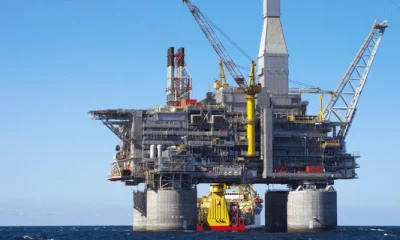
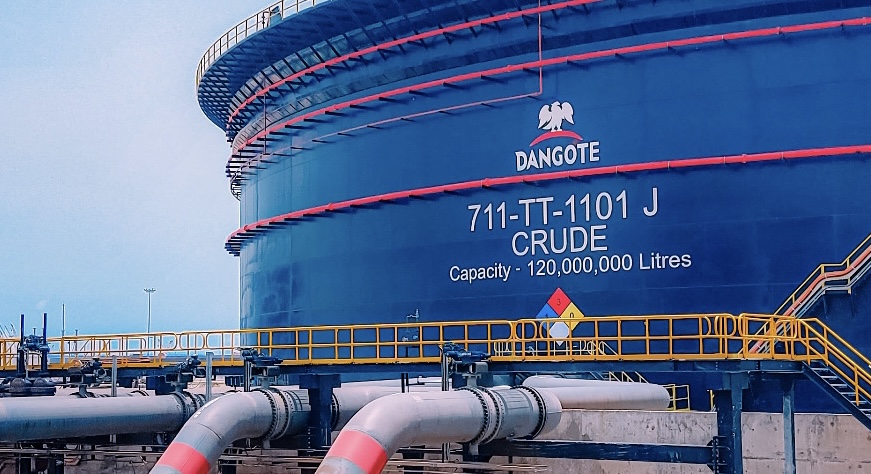
The Federal Government’s Technical Committee on the One-Stop Shop (OSS) for the Naira-for-Crude initiative has praised the $20 billion Dangote Petroleum Refinery and Petrochemicals, calling it a transformational force in Nigeria’s industrial journey.
Describing it as a “symbol of Nigeria’s industrial revolution,” the committee noted that the world’s largest single-train refinery, owned by Aliko Dangote, is playing a pivotal role in advancing economic self-sufficiency and sector-wide progress.
The commendation was made on Tuesday by Mrs Maureen Ogbonna, Coordinator of the OSS Technical Committee, during an official visit to the Lagos-based facility.
According to a statement released by the Dangote Group, the refinery has already begun to change the narrative of Nigeria’s dependence on imported fuels.
“This refinery touches all our lives. From pharmaceuticals to construction, food to plastics, this project is transformational. God has used the President of the Dangote Group to liberate Nigeria,” Ogbonna said.
She stressed that the Tinubu administration’s vision of petroleum self-sufficiency is being actively supported by the committee, which is working to eliminate regulatory and logistical barriers to the seamless supply of crude oil and refined products in naira.
Ogbonna, who previously toured the site during construction and recently with the Nigerian Ports Authority, marvelled at the facility’s scale and sophistication.
That lab alone is an institution. I don’t know of any in Nigeria—or even globally—with such a petrochemical lab. It is truly mind-blowing that one man could envision and execute such a project.
She urged Aliko Dangote to remain focused and ignore detractors, calling the refinery “a global achievement” with national impact.
In his remarks, Dangote appreciated the committee’s support for President Bola Tinubu’s Naira-for-Crude policy, saying the initiative had helped to lower fuel prices, reduce pressure on the dollar, and stabilise the naira.
However, he expressed concern over limited local crude supply, which has forced the refinery to source oil from the United States in recent months.
“Strategic investments like this require bold vision. We had to develop extensive infrastructure, including a world-class marine terminal that can host the world’s largest vessels,” Dangote said.
Despite challenges, the billionaire industrialist reaffirmed his commitment to national development and long-term energy security.
The Dangote Refinery is designed to process various crude types—including African, Middle Eastern, and US Light Tight Oil—and has the capacity to meet Nigeria’s full domestic demand for petrol, diesel, kerosene, and aviation jet fuel, with surplus volumes available for export.