The All-Nigeria Rotary Peace Summit will examine how good governance, justice and equity can help Nigeria build lasting peace
Nigeria’s security challenges make the summit’s central argument particularly relevant: lasting peace depends not only on the ability to contain violence, but also on the quality of governance, access to justice and fairness in the distribution of opportunities.
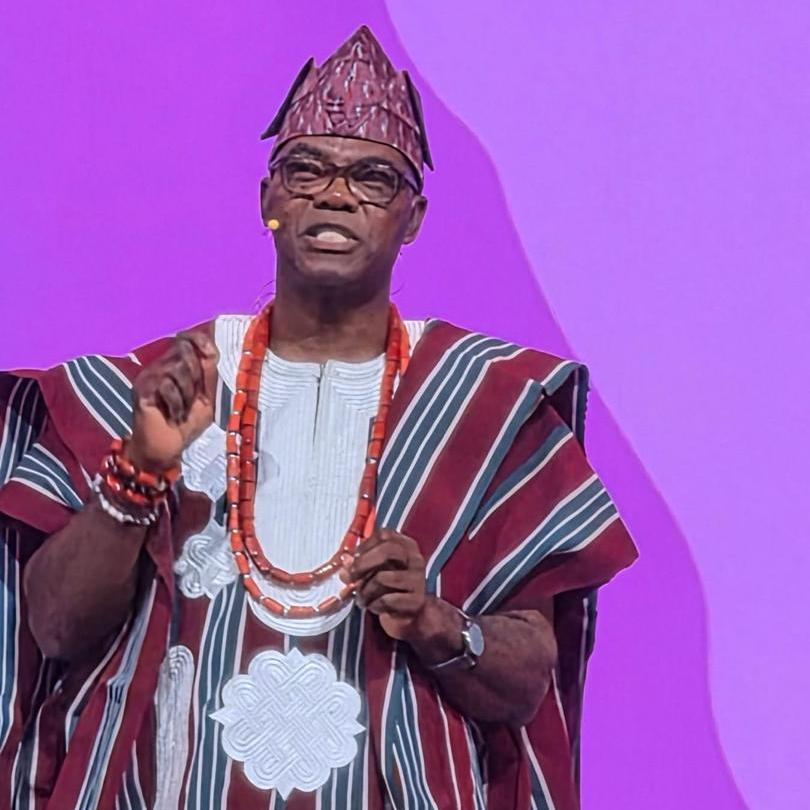
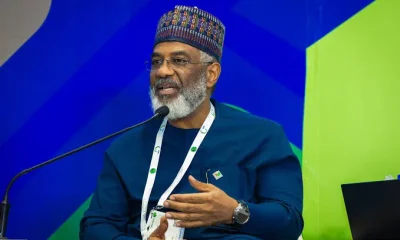
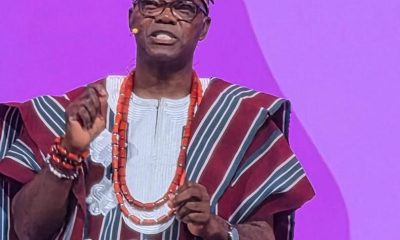
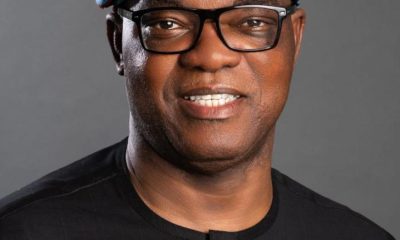
The summit, convened by Rotary International President Olayinka Babalola, is expected to bring together peacebuilding experts, academics, policymakers, media professionals, security specialists and civil society leaders in Lagos. Its theme, “Good Governance, Justice and Equity: Foundations for Sustainable Peace”, places the emphasis on addressing the conditions that allow conflict to emerge and persist.
The event is therefore an opportunity to examine peace as a shared national responsibility rather than an assignment for government and security agencies alone.
The need for that conversation extends beyond Nigeria. The Russia-Ukraine war, conflicts in the Middle East and Sudan, and instability in other parts of Africa demonstrate how violence can disrupt livelihoods, displace communities, undermine trade and place enormous pressure on public finances.
The 2026 Global Peace Index, published by the Institute for Economics and Peace (IEP), reports that global peacefulness deteriorated for the 12th consecutive year. It records 61 active state-based conflicts, the highest number since the Second World War, and more than 181,000 conflict-related deaths in 2024. The index assesses 163 countries and territories using 23 indicators across societal safety and security, ongoing conflict and militarisation.
Nigeria’s position in the index reinforces the urgency of the debate. The 2026 report places the country 142nd among 163 countries, rather than 143rd as stated in the original article.
Prosperity alone does not guarantee peace. Even countries with relatively strong institutions can experience social tension when people struggle with living costs, housing, stagnant incomes or public services.
The broader lesson is that stability requires responsive leadership, inclusion, economic opportunity and institutions that citizens consider fair and trustworthy.
Nigeria’s own security problems are varied and interconnected. Insurgency in the North-East, banditry and mass abductions in the North-West, farmer-herder clashes in parts of the North-Central region, separatist agitation in the South-East, kidnapping and communal violence all demonstrate the limits of relying on military and policing operations alone.
Security agencies remain essential to protecting lives and property, but force cannot resolve every grievance that contributes to instability.
Where communities feel neglected, disputes over land and resources remain unresolved, justice is difficult to obtain and young people see few opportunities for advancement, the risk of conflict can deepen.
Good governance, justice and equity therefore have direct consequences for peace. Accountability, transparency, responsible leadership and effective public services help build confidence in government.
Public resources must be managed responsibly, constitutional boundaries respected and citizens treated fairly, regardless of their ethnic, religious or political affiliations.
Equity does not mean that everyone must receive identical treatment. It means that people should have fair opportunities to participate in national life, access public services, pursue economic advancement and obtain justice without discrimination.
The justice system is equally important. Delayed trials, perceived impunity, selective enforcement of laws and unequal access to legal representation can weaken public confidence in institutions.
When citizens believe that the powerful are above the law while ordinary people bear the consequences of its enforcement, the social contract comes under pressure.
There is also a strong economic case for investing in peace. Violence destroys businesses, disrupts farming, discourages investment and increases the cost of transportation, insurance and security.
It also diverts public resources from education, healthcare and infrastructure towards emergency responses.
The consequences are particularly severe for vulnerable communities. Displaced families lose homes and livelihoods, children miss school, women face heightened risks of violence and exploitation, while unemployed young people can become vulnerable to recruitment into criminal networks.
A peaceful environment, by contrast, gives businesses the confidence to invest, allows farmers to cultivate their land and enables children to attend school without fear.
Peacebuilding should therefore be treated as an essential part of Nigeria’s economic development strategy, not an optional social intervention.
This is where Rotary International’s contribution deserves attention. Peacebuilding is one of the organisation’s areas of focus, supported through education, professional development, research, community service and initiatives that encourage dialogue across cultural and religious boundaries.
Its Rotary Peace Fellowship programme, for example, provides specialised training for people working in peace and development. Rotary says its Peace Centres have trained more than 1,900 fellows since the programme began in 2002, with alumni working in more than 140 countries.
Rotary’s community-based structure also offers opportunities to bring professionals, business leaders, public servants and community organisations together around practical interventions. Its role should complement, rather than replace, the responsibilities of government and established peacebuilding institutions.
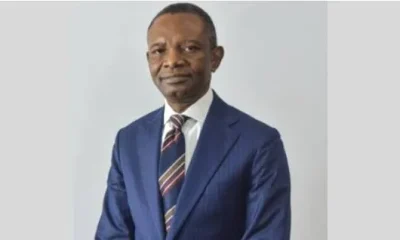
The participation of Lea Perekrests, Director of Partnerships at the Institute for Economics and Peace, is expected to bring an international research perspective to the summit.
Her keynote address will examine the relationship between governance, justice, equity and sustainable peace, drawing on the institute’s work on peaceful societies and the economic impact of violence.
But the real measure of the gathering will be what happens after the delegates leave Lagos. Nigeria has held numerous conferences and policy discussions, yet recommendations do not always translate into sustained action.
The summit must therefore produce practical commitments, clear responsibilities and a credible mechanism for monitoring implementation.
Community-based peacebuilding should be among its priorities. Traditional rulers, religious leaders, women’s groups, youth organisations and community associations often understand local tensions before they escalate.
Their involvement in early warning, mediation and conflict prevention can help resolve disputes before they become violent.
The justice system also requires sustained attention. Timely trials, respect for human rights, impartial law enforcement and accountability for wrongdoing are necessary to strengthen public confidence. Access to justice should not depend on a person’s wealth, influence or connections.
Governments must also recognise that education, skills development, employment, healthcare and basic infrastructure are investments in stability. Economic exclusion does not automatically lead to violence, but persistent deprivation and the absence of opportunity can deepen grievances and weaken social cohesion.
The media has a responsibility too. Misinformation, hate speech, inflammatory reporting and the deliberate manipulation of ethnic or religious differences can intensify tensions. Journalists and media owners must protect freedom of expression while upholding accuracy, fairness and professional standards.
Young people must be involved in designing and implementing peacebuilding initiatives. Nigeria’s youthful population represents a substantial source of creativity and enterprise. Their participation should extend beyond attending events to helping shape policies and community solutions.
The summit’s organisers should also ensure that its communiqué contains measurable priorities, implementation timelines and a follow-up process involving Rotary districts, government agencies, civil society and the private sector. Without such a mechanism, the gathering risks becoming another well-intentioned discussion without lasting impact.
Ultimately, peacebuilding requires leadership at every level. Political leaders must understand governance as the responsibility to create conditions in which citizens feel protected, respected and confident about their future. Religious and traditional leaders must promote tolerance and reconciliation, while businesses should support communities through investment and job creation.
Citizens also have a role to play by rejecting violence and intolerance and choosing lawful ways to resolve disagreements.
For Rotary, the summit provides an opportunity to demonstrate that its principle of “Service Above Self” extends beyond charitable projects to the wider challenge of building societies where people can live together peacefully.
Babalola deserves recognition for bringing stakeholders together around this national conversation. As the second Nigerian to serve as Rotary International President, his convening of the summit offers an opportunity for Nigerian Rotarians to contribute to discussions on peace and development at both national and international levels.
Nigeria needs peace not as a slogan, but as an everyday experience. The All-Nigeria Rotary Peace Summit should help move the conversation from declarations to practical commitments that strengthen institutions, improve access to justice and widen opportunities.
Peace cannot be secured permanently through force alone. It must be built through fairness, trust, responsible leadership and respect for the dignity of others. That is the challenge facing Nigeria, and the responsibility extends to everyone.
Ehi Braimah is District Governor-nominee of Rotary International District 9112, a public relations specialist, marketing strategist and publisher/editor-in-chief of Naija Times and Lagos Post. He is also a member of the Media and Communications Committee of the 2026 All-Nigeria Rotary Peace Summit.