Tinubu King Sunny Ade tribute marks the musician’s 80th birthday, praising his musical excellence and role in taking Nigerian culture worldwide
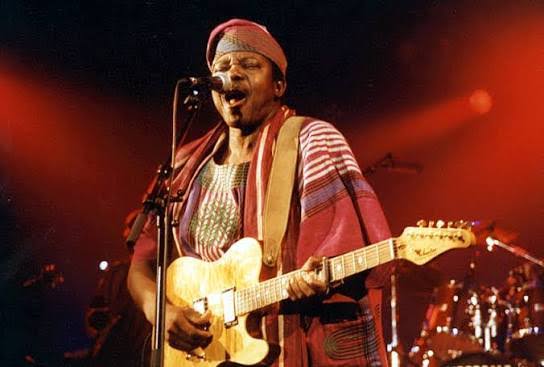
President Bola Ahmed Tinubu on Tuesday, 22 September 2026, celebrated Chief Sunday Adeniyi Adegeye, popularly known as King Sunny Ade, in Lagos, Nigeria, on the legendary juju musician’s 80th birthday, describing his eight-decade career as an enduring contribution to Nigerian music, culture and the creative industry.
In a birthday message personally signed on Tuesday, President Tinubu described King Sunny Ade as an icon of Nigerian and African music whose career had helped take juju beyond its traditional audience and establish it as a recognised part of Nigeria’s cultural identity.
The President praised the musician’s distinctive sound and his use of guitar, talking drums and other traditional instruments, alongside the energetic stage performances that became closely associated with his career.
“For eight decades, you have exemplified musical excellence and cultural ambassadorship, enriching our nation and bringing joy to millions across generations,” President Tinubu said.
King Sunny Ade was born on 22 September 1946 and began his professional music career in the 1960s.
He formed his own band, the Green Spots, in 1967 before later leading the African Beats and becoming one of the most prominent figures in Nigerian popular music during the 1970s.
His rise coincided with a period when juju music was becoming increasingly influential in Nigeria.
Over the decades, his music helped carry the genre to audiences outside the country, giving him a distinctive place in the international history of African popular music.
President Tinubu said Adegeye’s contribution extended beyond entertainment, arguing that his work had helped preserve cultural traditions while presenting Nigerian identity to international audiences.
“Your music has not only entertained, but it has also preserved our cultural identity, celebrated our traditions and projected the beauty and diversity of our country to the world,” Tinubu said.
That cultural dimension has also featured in tributes from Adegeye’s home state.
Ondo State Governor Lucky Aiyedatiwa described the musician as a distinguished son of Ondo Kingdom and a cultural ambassador whose career had taken the state’s heritage and traditions to audiences in Nigeria and abroad.
The recognition from both the federal and state levels reflects the breadth of Adegeye’s cultural legacy, which has extended beyond records and performances to questions of identity, heritage and the international visibility of Nigerian music.
For Tinubu, the 80th birthday was also an opportunity to highlight the wider contribution of established cultural figures to Nigeria’s creative economy.
“As President, I deeply recognise and celebrate the immense contributions of our cultural icons,” Tinubu said, adding that Adegeye’s achievements demonstrated how talent, dedication and commitment to heritage could become an enduring national legacy.
The President also credited King Sunny Ade with inspiring generations of musicians and practitioners in Nigeria’s creative industry.
That influence has made Adegeye’s career relevant to successive generations of Nigerian performers, even as musical tastes and the country’s entertainment industry have changed substantially since his early years.
At 80, King Sunny Ade remains one of the most recognisable names associated with the international story of Nigerian music.
His career has connected traditional Yoruba musical elements with modern instrumentation and performance, helping give juju a wider cultural reach.
President Tinubu ended the tribute by congratulating Adegeye on behalf of his family, the Federal Government and the Nigerian people, while praying for his continued good health, wisdom and fulfilment.
“May Almighty God bless you with good health, wisdom and many more fulfilling years,” Tinubu said.
The birthday tribute comes as Nigeria continues to place greater attention on the cultural and economic value of its creative industries.
For an artist whose career has spanned eight decades, the occasion offered a powerful reminder of how music can function simultaneously as entertainment, cultural preservation and an avenue for projecting a country’s identity abroad.