







BBNaija’s Tacha criticises Nigerians for splurging on Labubu toys worth up to N260k, calling it peer pressure and a neglect of financial priorities
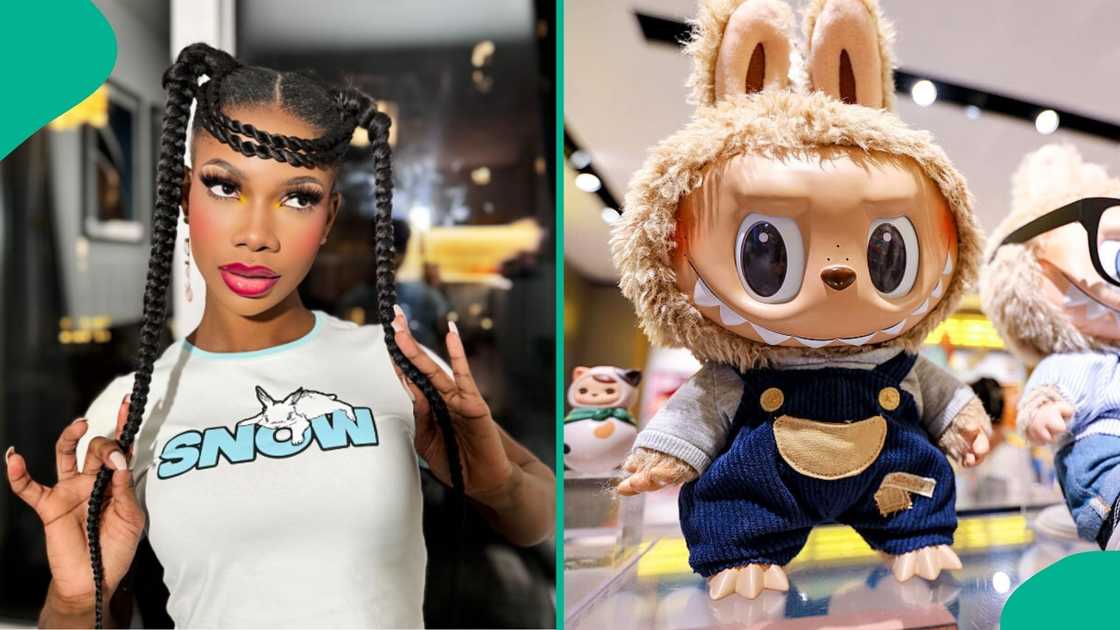
Labubu toy trend has taken Nigerian social media by storm, but not everyone is impressed. Popular Big Brother Naija star, Natacha “Tacha” Akide, has voiced strong disapproval over the viral craze, calling it a dangerous display of misplaced priorities.
In a widely circulated video, the reality TV personality expressed concern that many young Nigerians, especially women, are spending up to N260,000 on the collectible toy at the expense of more pressing financial obligations.
The toy, known for its quirky elf-like appearance and mischievous grin, is part of “The Monsters” series by Hong Kong artist Kasing Lung and distributed by Chinese brand Pop Mart.
Originally designed as a limited-edition collector’s item, Labubu has evolved into a must-have fashion accessory, often seen hanging from handbags or woven into outfits on Instagram and TikTok.
Tacha criticised the trend, describing it as the result of social media-driven peer pressure. “Even the people that have not chop belleful are going to buy Labubu,” she lamented, questioning why individuals would invest in a cultural product they neither understand nor can afford.
Her words struck a chord with many online users who echoed her frustration, while others defended the right of consumers to spend their money as they please.
She went further to say: “You never chop belleful you want to go and spend N200k on Labubu, a culture you don’t even understand. You have bills to pay but you prefer to follow your friends buying Labubu. What is Labubu? You can’t even spell it.”
While many Nigerians are drawn to the toy for its perceived exclusivity and aesthetic appeal, critics argue that the obsession reflects a deeper issue of societal pressure and the desire for online validation.
The phenomenon is also fuelling debate about the value placed on imported trends over local creativity, particularly at a time when the country faces economic hardship.
The Labubu toy trend may seem harmless on the surface, but for voices like Tacha’s, it represents a troubling shift in financial priorities and self-awareness among Nigeria’s youth.
Whether the trend endures or fades, it has already sparked a wider conversation on spending culture, social status, and the power of influence in the digital age.