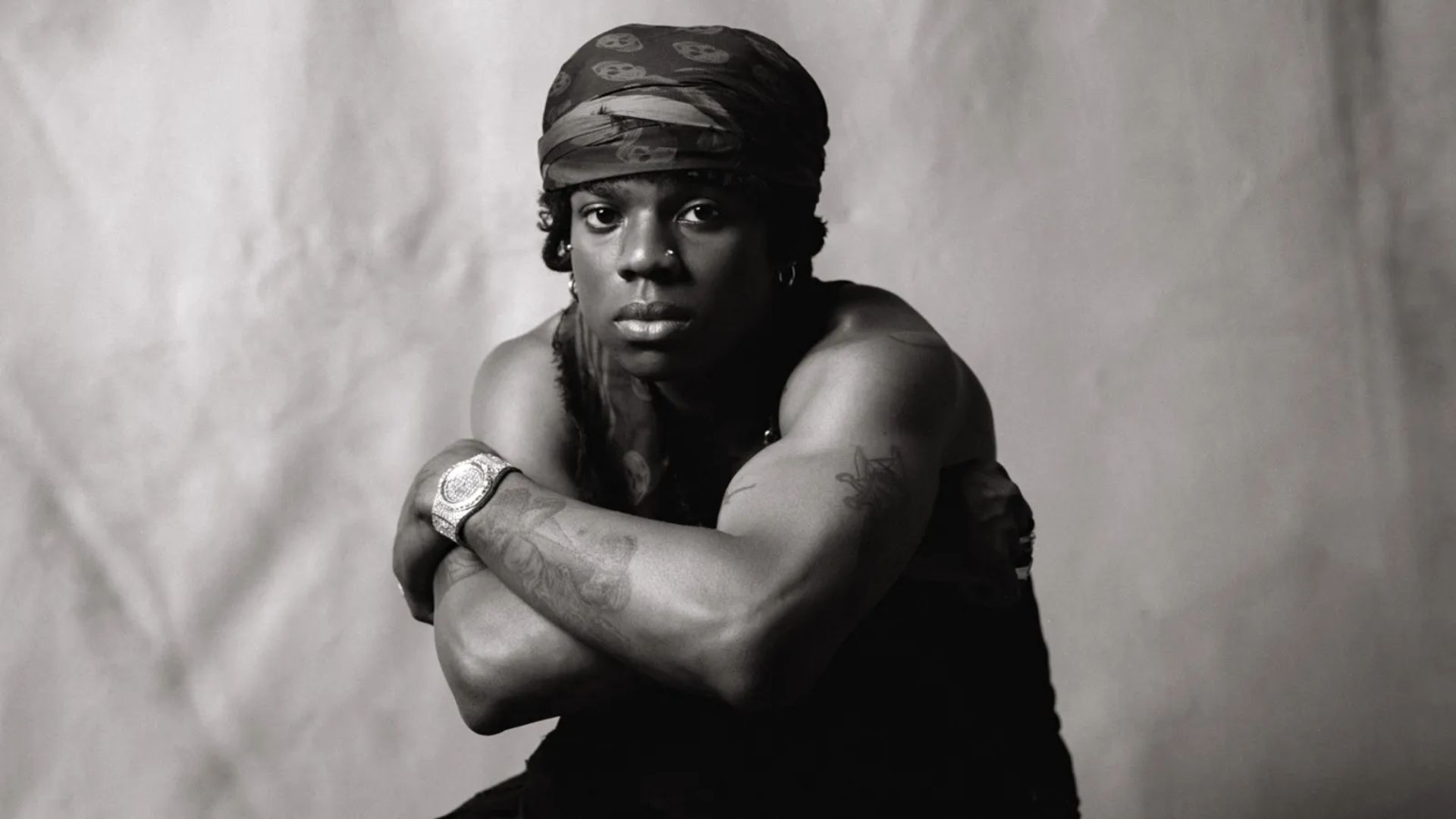
Rema says Afrobeats evolution depends on artists taking creative risks instead of making music solely to satisfy fans and existing expectations
Nigerian Afrobeats star Divine Ikubor, popularly known as Rema, has argued that Afrobeats artists must be willing to move beyond what fans already like if the genre is to continue evolving.
Rema made the remarks during his concert over the weekend, where he spoke passionately about his approach to music and the responsibility he believes artists have to push Afrobeats into new territory.
The singer said he does not make music simply by following audience preferences, insisting that his creative choices begin with what he personally enjoys.
“I don’t care what you say about me. I don’t care if you like what I like. But I make music that I like before you like it,” Rema said.
He argued that constantly producing songs based on existing fan expectations could prevent Afrobeats from developing new sounds and reaching fresh audiences.
“If I stick to what you like, Afrobeats is not going to move forward,” he added.
Rema then described himself as the “Prince of Afrobeats”, presenting his artistic ambition as part of a broader mission to expand the possibilities of the genre.
“I am the f**king Prince of Afrobeats,” he declared.
The comments come amid an increasingly lively debate about the direction of Afrobeats as Nigerian and African artists gain larger audiences around the world.
The genre has evolved considerably over the past decade, incorporating elements of pop, R&B, hip-hop, electronic music, dancehall and other international sounds.
For some traditional listeners, however, the growing influence of foreign genres has raised concerns about whether Afrobeats is losing aspects of its original identity.
Social media discussions have intensified around artists who experiment with sounds outside conventional Afrobeats formulas, particularly when those changes appear designed to appeal to international audiences.
Rema’s position represents a different interpretation of that debate.
Rather than seeing experimentation as a threat to Afrobeats, the singer appears to regard musical experimentation as essential to its future.
His own career has been built partly around that approach. Since emerging as one of Nigeria’s leading young artists, Rema has developed a distinctive sound that draws from Afrobeats while incorporating elements of trap, pop, R&B and electronic music.
His international breakthrough has also helped place Nigerian music before audiences well beyond Africa.
That success has made the question of artistic identity increasingly important. As Afrobeats becomes more commercially powerful internationally, artists face a delicate balance between preserving cultural roots and experimenting with sounds that can travel across borders.
Rema’s comments suggest that he believes the genre’s future depends on refusing to remain static.
For him, satisfying today’s audience should not necessarily be the ultimate measure of an artist’s success.
Instead, artists may sometimes have to introduce sounds that audiences initially find unfamiliar before those sounds become accepted.
That approach has historically played a role in the development of many major musical genres, with artists often challenging established conventions before influencing the next generation.
Rema’s remarks therefore extend beyond a personal statement about his music.
They touch on a wider question facing Afrobeats: whether the genre should prioritise familiarity or innovation as it continues its remarkable global rise.
For an increasingly internationalised African music industry, that debate is unlikely to disappear soon.
Rema, however, appears comfortable taking the risk.
His message to fellow artists and listeners is that Afrobeats cannot move forward if its creators are permanently bound by what audiences already know and expect.