








Nigerian Man Goes Viral Over $140 Egusi Meal Rant

Nigerian man viral egusi video sparks debate after $140 restaurant bill exposes rising costs of traditional food abroad, triggering mixed reactions online.
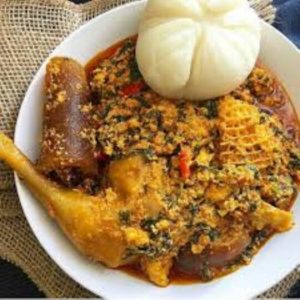
Nigerian man viral egusi video has ignited fierce online discussion after he expressed disbelief at being charged $140 (approximately ₦213,000) for just two plates of egusi soup and pounded yam in a U.S. restaurant.
Also read: Hilda Baci shares video of Guinness World Record moment
In the video, which was shared on X (formerly Twitter) by user Oyindamola on Tuesday, the man — visibly frustrated — accused African restaurants abroad of exploiting fellow Nigerians through exorbitant pricing.
“Tell me why I have to pay $40 excluding tax and tips for a plate of Egusi and small pounded yams that can’t even fill me up?” he asked. “Other people sell theirs for less than $15, and you are charging $40.”
With taxes and tips included, the man said he was billed $140 for two plates, leading him to label the pricing system “unfair” and out of touch with the working-class Nigerian diaspora.
He also pointed out that with the U.S. minimum wage under $15 per hour, regularly enjoying home-style African meals becomes a luxury many cannot afford.
The Nigerian man viral egusi video sparked an avalanche of reactions. Some accused restaurant owners of “shylock behaviour,” while others defended the pricing, noting the cost of imported ingredients and the higher operational expenses of running businesses abroad.
One commenter, @ChuchoMaine, criticised the business model: “Nigerian restaurants abroad will use greed and overcharging to run down their businesses. Chinese and Spanish places sell more for less.”
Another user, @codedbruhh, advised fellow Nigerians to cook at home using affordable options: “Farmer’s markets or Asian shops get the job done. Pay $50 or £40 for jollof? Tahh!”
The issue resonates beyond the United States. In the UK, YouTuber Melissa Oti revealed she spent £502 on African groceries in a single month, highlighting the growing cost of maintaining a traditional Nigerian diet overseas.
Others compared the price gap with international cuisines. “A plate of Chinese food costs £18.50, Indian food £19, but Nigerian food goes as high as £35,” noted cultural critic Ife Nkili.
Also read: Journey To Wholeness Marks 5th Anniversary
Despite the humour and outrage surrounding the Nigerian man viral egusi video, the story underscores a deeper concern about cultural accessibility and economic barriers within diaspora communities. While authenticity remains essential, affordability is now a growing challenge.