Africa’s Reserve Rankings place Nigeria fourth with $49.4bn in international reserves, behind Libya, South Africa and Egypt in the 2026 report
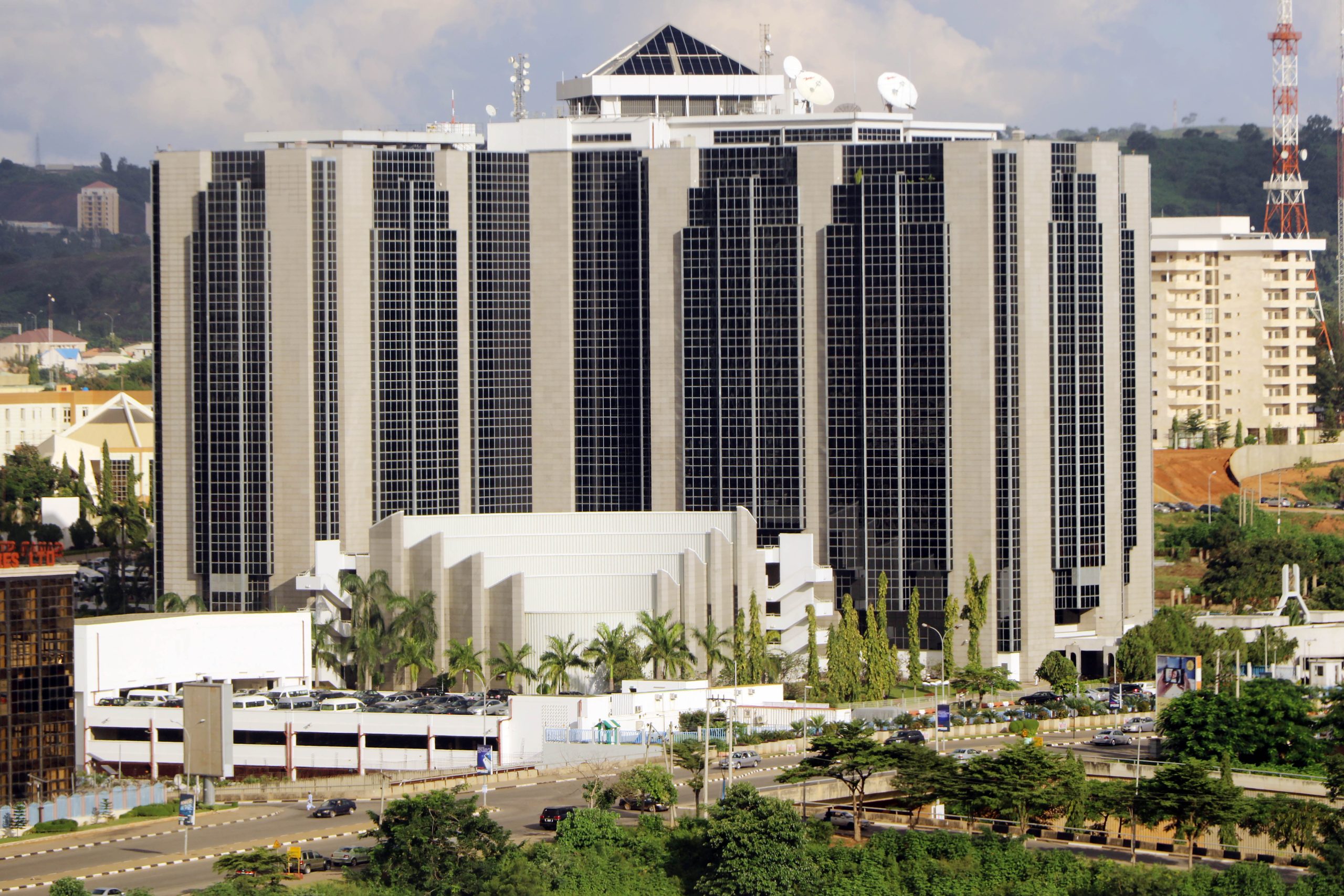
The Central Bank of Nigeria (CBN) has secured fourth place in Africa’s Reserve Rankings, recording $49.4 billion in international reserves as of March 2026, according to the OMFIF Global Public Investor 2026 Report.
The ranking places Nigeria among Africa’s biggest reserve holders, behind the Central Bank of Libya, the South African Reserve Bank and the Central Bank of Egypt, as countries continue efforts to strengthen financial stability and protect their economies against external shocks.
The top 10 African central banks by international reserves are:
- Central Bank of Libya
Libya ranks first with $86.3 billion in international reserves.
- South African Reserve Bank
South Africa ranks second with $77.8 billion in international reserves.
- Central Bank of Egypt
Egypt ranks third with $50.2 billion in international reserves.
- Central Bank of Nigeria
Nigeria ranks fourth with $49.4 billion in international reserves.
- Bank Al-Maghrib
Morocco ranks fifth with $48.9 billion in international reserves.
- Banque d’Algérie
Algeria ranks sixth with $40.4 billion in international reserves.
- Banque Centrale des États de l’Afrique de l’Ouest (BCEAO)
The West African monetary system ranks seventh with $25.1 billion in international reserves.
- Banco Nacional de Angola
Angola ranks eighth with $15.5 billion in international reserves.
- Central Bank of Kenya
Kenya ranks ninth with $12.5 billion in international reserves.
- Banque des États de l’Afrique Centrale (BEAC)
The Central African monetary system ranks tenth with $12.2 billion in international reserves.
The figures highlight the continued importance of foreign reserves as African economies navigate currency pressures, global interest rate changes and shifting commodity markets.
For Nigeria, the reserve position comes after years of economic pressure caused by foreign exchange shortages, declining oil revenue challenges and increased demand for dollars.
The CBN has continued to focus on improving foreign exchange market operations, strengthening liquidity and rebuilding confidence among investors.
Reserve accumulation remains a key indicator used by analysts to assess a country’s ability to meet international obligations and support currency stability.
Nigeria’s position ahead of Morocco and Algeria reflects the size of its economy and its role as one of Africa’s largest markets. However, economists note that reserve levels alone do not guarantee economic growth.
The effectiveness of reserve management, exchange rate stability, inflation control and policies that encourage investment remain critical factors in determining whether reserve strength translates into wider economic benefits.
The ranking also shows the dominance of resource-rich economies in Africa’s reserve landscape.
Libya leads the continent despite years of political instability, while South Africa maintains a strong position due to its diversified economy and deep financial markets.
Egypt’s third-place position reflects its efforts to rebuild foreign exchange buffers through economic reforms, investment inflows and international financial support.
The latest Africa’s Reserve Rankings underline the competitive nature of Africa’s financial landscape, with Nigeria remaining one of the continent’s strongest reserve holders.
As global economic conditions continue to shift, maintaining adequate reserves will remain a major priority for African central banks seeking to protect their economies and support long-term growth.